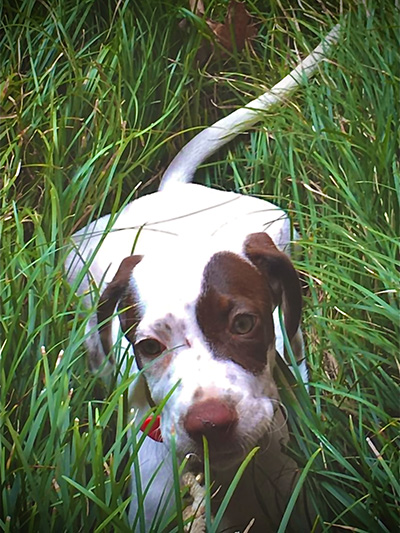
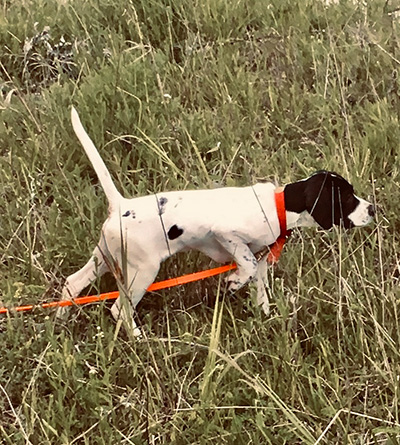
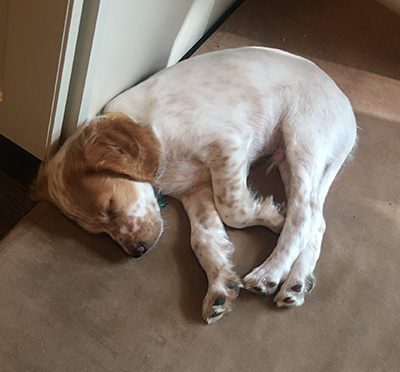
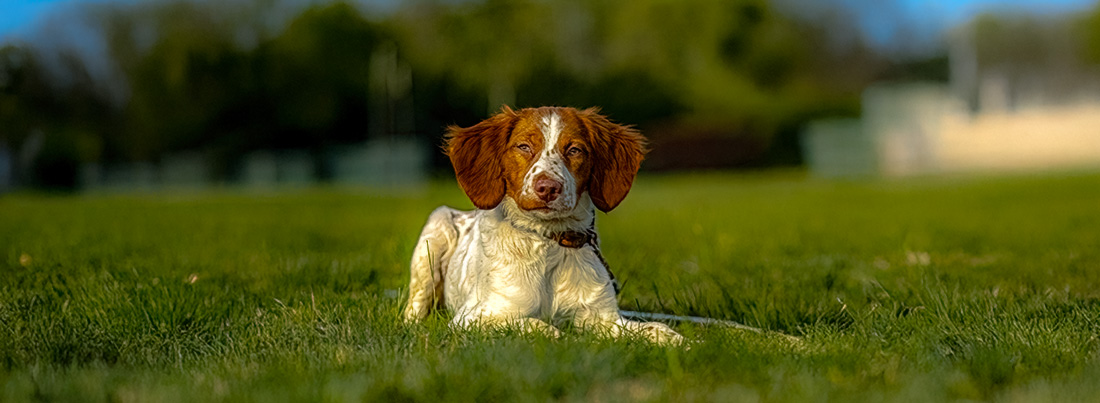
 You finally found the right breeder, picked the right litter, and now that puppy is coming home. This is where a lot of well-intentioned hunters go sideways — not because they don't care, but because they care too much, or in the wrong ways.
Here's what those first critical weeks and months should look like.
1. Those First Weeks Are Everything — But Don't Overdo It
Most people get a new puppy and immediately want to spend all day working with them. Resist that urge. Puppies have short attention spans and tire quickly. They're not built for an hour-long training session.
What they are built for is short, frequent contact. Think five to ten minutes, as many times as possible during the day with breaks in between.
You'll need to get up earlier, come home at lunch if you can, and get creative. But the investment you make in those early weeks pays dividends for the dog's entire life.
2. Get Your Crate Situation Right
Every dog needs their spot where your dog can rest and relax. Dog crates give you control over your dog, and teaches them patience.
Crate training is simply teaching your dog to stay in a crate and be happy about it. Your dog also needs to learn not to relieve itself where it stays.
Crates are generally the first time a puppy is by themselves. New puppies have to learn to calm themselves in the crate. I put my dog crates in a part of the house where I don’t have to hear a puppy crying because he’s still learning patience. You also have to get your family on board. You don’t want your kids “rescuing” an impatient puppy.
Start with a smaller puppy crate. Don't make the mistake of immediately housing them in a full-sized crate. Too much space means the puppy can use one end as a bathroom and sleep comfortably in the other — which completely defeats the purpose of crate training.
Crate training is front-loaded work. It's demanding for a few weeks, and then it's done. Put in the time now and you won't be fighting it later.
The amount of time a puppy can spend in a crate without going to the bathroom is short at first, but grows over time. At first your puppy will need frequent bathroom breaks, but that will decrease as they age.
3. Start Table Work Immediately
This is one of the most underrated puppy habits you can build, and one of the most overlooked.
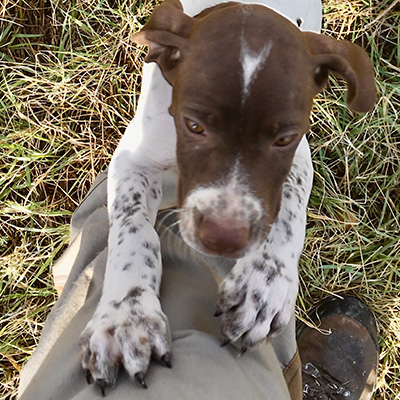
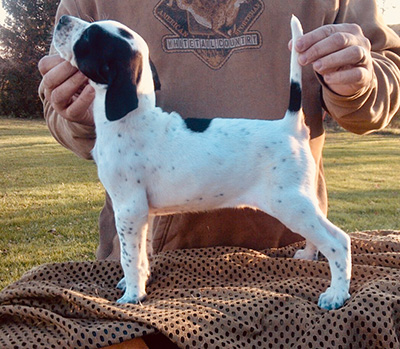
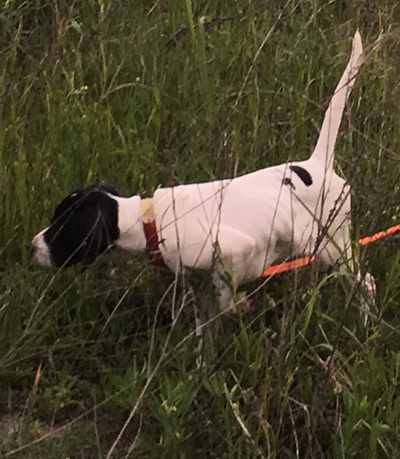
Get a small table — at a height comfortable for *you* to work standing up with your hands on the dog. A truck tailgate works great. The goal is simple: get the dog off the ground and acclimate them to stand still and be handled any time you want.
Dogs are less at ease off the ground than on it. That slight discomfort gives you an advantage early in training, and the table becomes a place associated with focused, calm handling. Your vet will thank you. The first time many puppies ever experience a raised surface is on the vet’s examination table – and it's stressful. Your puppy won't have that problem.
4. Put Your Hands Everywhere
This sounds simple. Most people skip it.
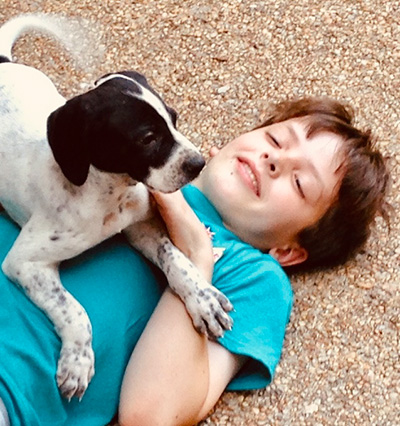
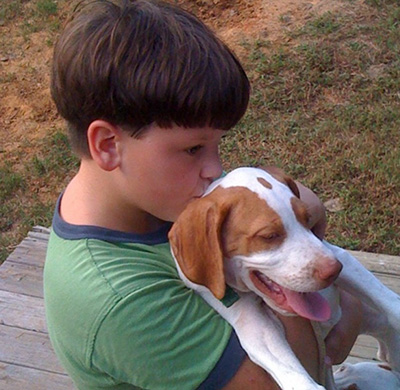
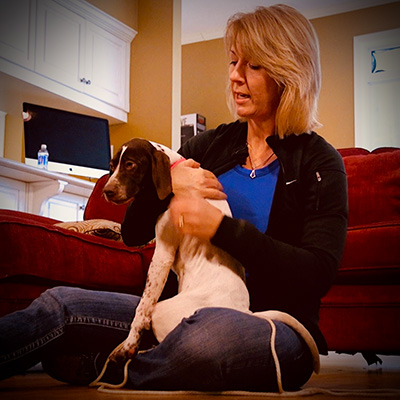
From day one, handle your puppy head to toe — ears, eyes, mouth, feet, toes, belly, tail. Do it gently but consistently. The moment a puppy learns that pulling back or making noise gets them released, they'll do it every time. Don't let that become a pattern.
A dog that's comfortable being handled is easier to trim nails, boot up in rough country, easier to work on when they've got burrs or cuts, and dramatically easier for your vet to examine. None of that is possible if the dog has never been conditioned to accept it.
5. Teach Patience — It Doesn't Come Naturally
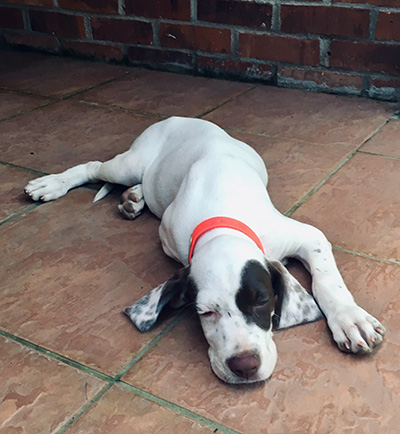
Dogs aren't born patient. Patience is a trained behavior, and it needs to start early.
Teaching a dog to stay in the crate when you first open the door, or not go through an open doorway without permission is much easier with a puppy than it is with a full grown adult.
Feeding time is another great place to teach patience. Your pup can’t start eating until you give the command.
Start small. You can't ask a dog to sit still for 30 minutes if it's never sat still for 30 seconds. Build the duration gradually. The table is a great place to practice this — the dog learns that standing still on the table is simply *what we do here*.
If you're running a bird dog, patience matters, but it's not the whole game. If you're running a duck dog? Patience is *everything*. A dog that can't handle five hours in a blind while nothing happens is a dog that's going to make your season miserable. That kind of endurance has to be taught, and the earlier you start building that mental muscle, the better.
6. Expose Them to Everything Now
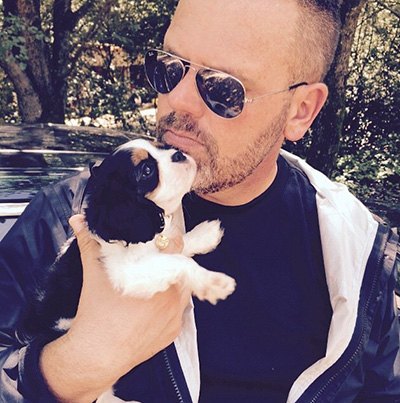
Whatever your dog is going to encounter in its working life — introduce it now, during that critical early window. Tall grass and weeds. Vehicles. Loud noises. Water. Other dogs. Strangers. Your hunting gear. All of it.
Exposure needs to be gradual and comfortable. A puppy that grows up seeing and experiencing the full range of situations it'll face as an adult is a dog that handles those situations with confidence rather than anxiety.
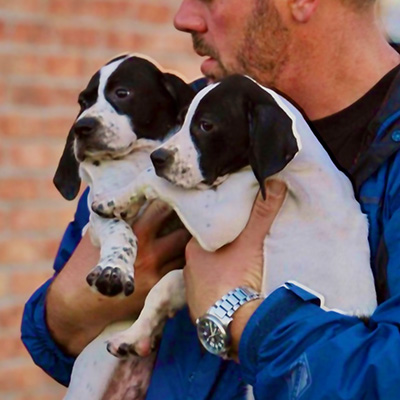
7. You Don't Need Fancy — You Need Consistent
The dogs that turn out best usually don't come from owners who had the most money or the most gear. They come from owners who were *consistent*.
Short sessions, repeated daily, with patient handling and calm expectations — that's the formula.
The work you put in during those first few months will shape everything that comes after. Don't rush it. Don't skip it. And don't overcomplicate it.
Have questions about puppy training or hunting dog gear? Browse our full selection at Gun Dog Supply or give us a call or email.
-- STEVE SNELL
Gun Dog Supply
P.S. Watch Steve's PUPPY VIDEO
P. P.S. More puppy pix!